
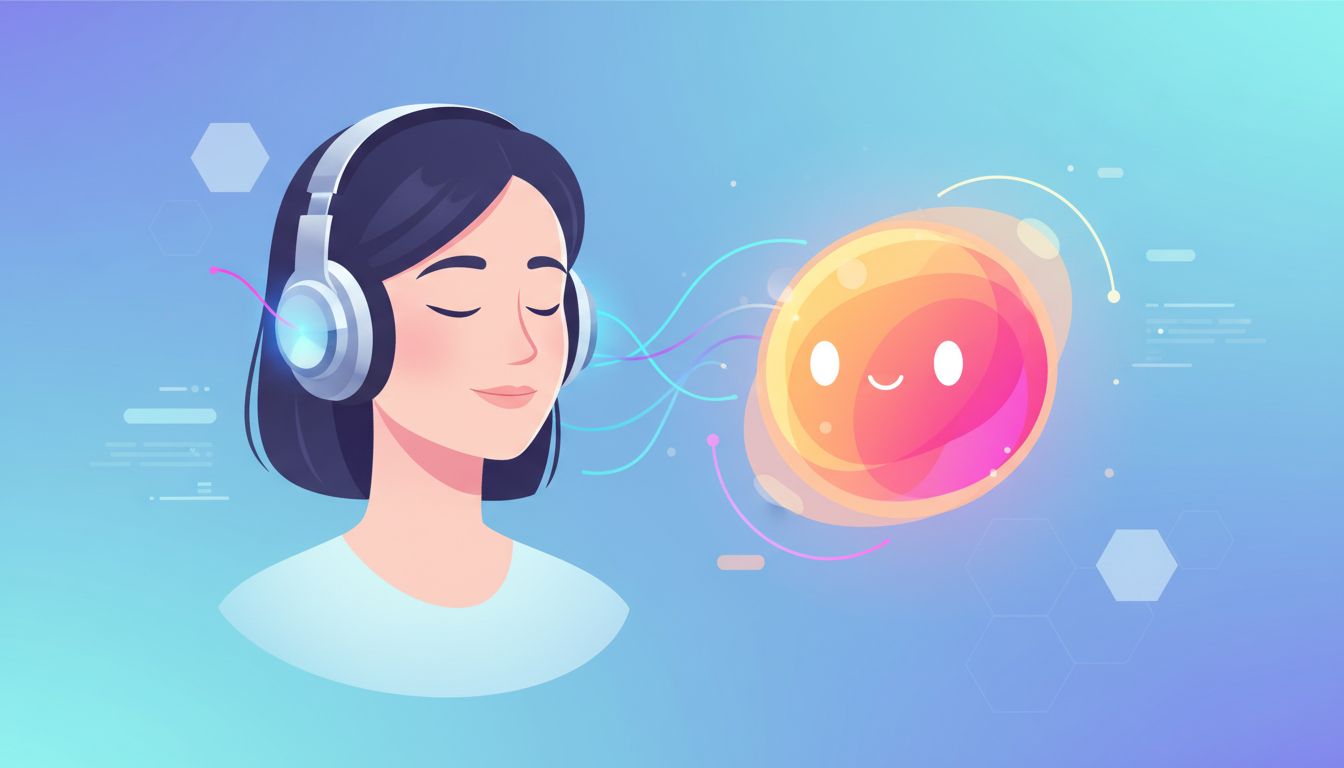
Mastering the Art of Dialogue in a Tech-Driven Era
For decades, the journey to language fluency has been paved with heavy textbooks, repetitive conjugation tables, and the static buzz of audio tapes. Yet, many learners find themselves paralyzed when it’s finally time to order a coffee in Paris or navigate a business meeting in Tokyo. The gap between knowing a language and speaking it is a psychological hurdle that traditional methods struggle to clear. In 2026, however, the landscape has shifted fundamentally. Artificial intelligence is no longer just a digital dictionary; it has become a sophisticated bridge to real-world communication.
By leveraging advanced conversational intelligence, modern tools are enabling users to bypass the anxiety of judgment and jump straight into immersive practice. This shift toward practical, voice-first learning is empowering global communicators to find their voice faster than ever before. Whether you are a professional preparing for an international relocation or a traveler looking to connect with locals, understanding the new mechanics of AI-assisted learning is the key to unlocking true fluency.
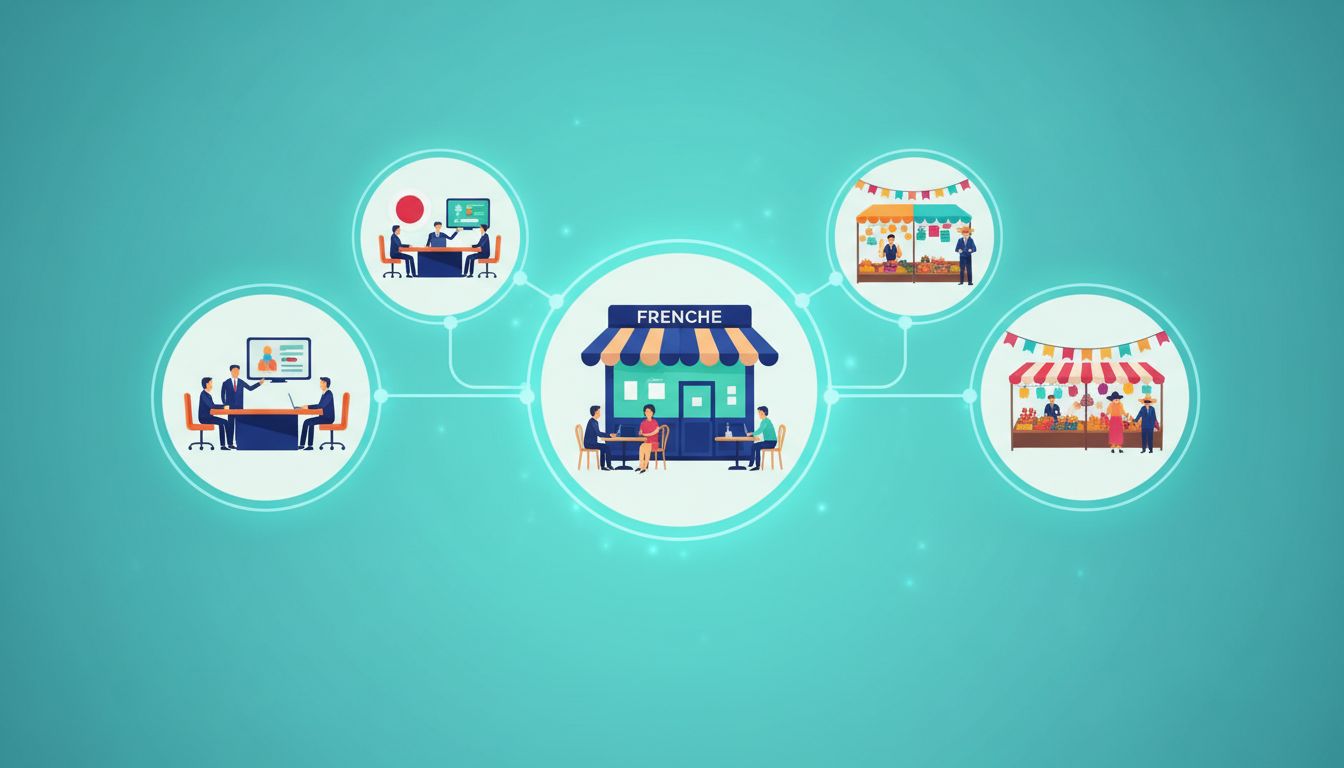
The 2026 Shift: Why Conversations Outperform Conjugation
In the past, language learning was often treated as an academic exercise in memorization. Learners spent hundreds of hours mastering grammar rules only to find that real humans don’t speak like textbooks. The trend for 2026 is a move toward contextual acquisition. This means learning a language within the specific environments where you intend to use it. AI now allows for this hyper-personalization by simulating thousands of unique scenarios at the touch of a button.
The Death of the Translation Mental Loop
One of the biggest obstacles to fluency is the “mental translation loop”—the process of thinking in your native language and translating word-for-word into the target language. Real-world conversations move too fast for this. AI-powered platforms like Scenaria prioritize voice-first interactions that force the brain to bypass translation and respond intuitively. By practicing in a low-stakes environment, your brain builds the necessary neural pathways to handle high-stakes real-world interactions with ease.
Overcoming the Speaking Anxiety Barrier
Studies have long shown that the single biggest deterrent to language mastery is the fear of making mistakes in front of others. AI removes this psychological weight. An AI conversation partner is infinitely patient, never judges a mispronounced syllable, and is available 24/7. This creates a “safe space” for experimentation, allowing learners to fail forward and build the confidence required for authentic human connection.
Hyper-Personalization: Your Language, Your Way
The one-size-fits-all curriculum is officially a relic of the past. In 2026, the best learning experiences are those that adapt to the user’s specific lifestyle and goals. Modern AI doesn’t just teach you “how to speak”; it teaches you how to speak about the things that matter to you.
- Niche Professional Training: Practice negotiating a contract in German or presenting a medical case in French with industry-specific terminology.
- Travel Survival: Simulate checking into a boutique hotel in Lisbon or asking for directions in a crowded Seoul market.
- Custom Scene Creation: Describe any situation—a first date, a landlord dispute, or a specific job interview—and the AI generates a bespoke practice environment.

Instant Feedback: The Secret to Sounding Like a Local
In traditional classrooms, you might wait days for a teacher to grade a speaking assignment. By then, the context is lost. In 2026, instantaneous corrective feedback is the standard. As you speak, AI analyzes your pitch, rhythm, and syntax, providing gentle corrections that don’t break the flow of conversation.
Refining Pronunciation and Intonation
Simply being understood isn’t the same as sounding like a local. Scenaria uses advanced speech recognition to help you master the “music” of a language—the subtle shifts in intonation and word stress that signal native-level proficiency. This isn’t about erasing your accent; it’s about making your speech clear, confident, and culturally resonant.
Smart Vocabulary Retention
Forget manual flashcards. When you encounter a new word during an AI chat, you can save it instantly to a Smart Flashcard deck. These decks are then optimized using spaced-repetition algorithms, ensuring that the vocabulary you actually use in conversation is the vocabulary you remember for the long term.
“The goal of language learning isn’t to be perfect; it’s to be understood and to understand. AI gives us the volume of practice needed to reach that human connection faster.”
Integrating AI Learning Into a Busy Lifestyle
The most effective learning habit is the one you can actually sustain. The portability of AI apps means that the classroom is wherever you are. Five minutes during a commute or a ten-minute session before bed can yield better results than a three-hour weekly lecture, provided the practice is active and conversational.
- Morning Momentum: Start with a quick 5-minute check-in chat to warm up your brain.
- Contextual Breaks: Use “dead time” in your schedule to practice a specific scenario relevant to your upcoming week.
- Evening Review: Spend three minutes reviewing the Smart Flashcards generated during your earlier conversations.
The Role of Cultural Nuance in 2026
A language is more than just words; it is a cultural vessel. Modern AI tools are now capable of teaching the unspoken rules of communication. From the correct level of formality in Japanese (Keigo) to the local slang of Mexico City, AI ensures you don’t just speak the language—you understand the people. This cultural immersion is vital for avoiding the awkward faux pas that can occur when using a language in its natural habitat.

Conclusion: Stepping Into the Future of Fluency
Mastering a new language in 2026 is no longer a matter of willpower and repetitive drills; it is a matter of choosing the right tools for immersion. AI has democratized the experience of having a private tutor, a cultural coach, and a conversation partner available at all times. By focusing on practical, real-world interactions, learners can shed their anxieties and start speaking from day one.
Apps like Scenaria are at the forefront of this revolution, prioritizing the human element of communication through advanced technology. As we look toward an increasingly globalized future, the ability to speak like a local isn’t just a skill—it’s a gateway to new opportunities, deeper relationships, and a broader understanding of the world. The barrier to entry has never been lower. The only question left is: which scenario will you master first?
Actionable Takeaways:
- Prioritize Speaking: Aim for a 70/30 split between active speaking and passive listening/reading.
- Use Scenarios: Focus your practice on situations you will actually face in the next 30 days.
- Embrace Mistakes: Use AI partners to fail safely and build the muscle memory required for real-world confidence.